エコな活動12選。わたしたちが地球環境のためできること
公開日:2020年12月25日 / 最終更新日:2023年9月25日

エコはエコロジー(ecology)の略で、本来は生態学を意味する単語です。
しかし、近年ではそこから派生して自然との調和、自然環境を大事にすること、環境にいいなどの意味を持つようになりました。
地球温暖化をはじめとする環境問題が深刻化する今、「エコ」そして「エコな活動」はより一層注目されるキーワードの1つです。ただ、言葉は知っていても、環境保全のためにできるアクションが何か分からずに気になっている方もいるのではないでしょうか。
当記事では、普段からエシカルやサスティナブルな暮らしを提案し、実践している編集部が、日常生活でできるエコな取り組みを紹介します。みなさんが既に知っているような電気を消す、水の使用量を減らす、省エネなどの一般的なこと以外の地球環境にいい活動について、シーン別にお伝えできればと思います。
家の中でできるエコな活動
まずは、家の中でできるエコな活動を紹介いたします。
- フードロスを減らす
- プラントベースの食事を増やす
- 乳製品を減らす
フードロスを減らす

1つ目のエコな活動は、家庭内のフードロスを減らすこと。
日本全体でフードロスは612万トン発生していて、その内約4割は家庭から出ていると言われています。
フードロスは食べ物がもったいないという側面もあるのですが、エコの観点で問題なのは、水や土地、エネルギーなどの資源が無駄に使われているということ。
なので、家庭でできるエコ活動として、フードロスを減らすことを心がけることは重要です。
また、フードロスは全て食べきるということ以外にも、必要のない食品を買わない努力も必要となります。ついつい、スーパーのセールに乗せられて、必要のない食品も買っていませんか? フードロスを減らしエコな活動をするには、必要ないものをリデュースすることからはじめましょう。
プラントベースの食事を増やす
 2つ目のエコな活動はプラントベース、つまり植物由来の食事を増やすことです。
逆に言えば、動物由来の食事の方が環境負荷が高く、エコではないということ。
もっとも環境負荷が高いのが牛肉だと言われていますが、どれくらいの資源を使うかというと、ステーキ1キロを生産するのに必要な水の量は1万5000リットルとも2万リットルとも言われているほど。
他にも、豚肉や鶏肉も、植物由来の食事に比べたら環境負荷は高いものです。 なので、私たちが取れるエコ活動としては、急にベジタリアンになるというようなことでは無く、週に1回の食事だけでも、植物由来のみにしたりということ。 今では、大豆ミートなどの代替肉も美味しい選択肢があります。ミートフリーマンデー(肉を食べない月曜日)などの活動もあるので、まずは週1から初めて見るのはいかがでしょうか? プラントベースの詳細はこちらの記事をどうぞ
乳製品を減らす
3つ目のエコな活動は乳製品を減らすことです。 理由は先ほど同様、畜産の環境負荷が高いことにあり、その過程で生成される乳製品もおのずと大量の資源が投入される計算になるため。
具体的なエコ活動としては、牛乳を豆乳やアーモンドミルクに変えるなどが考えられるでしょう。 牛乳の方が相対的に安いので、全部を変えると経済的に負担になってしまいますので、まずは週1回のエコ活動として、植物由来のミルクにしてみてはいかがでしょうか?
植物性のミルクを比較した記事はこちらをどうぞ。 話題のおすすめの植物性ミルク9選!特徴や選び方まで分かりやすく解説
日常でできるエコな活動
ここでは、日常でできるエコな活動を2つ紹介いたします。
- 服をリサイクルする
- シェアリングサービスを活用
服をリサイクルする
4つ目のエコな活動は、要らなくなった服をリサイクルや寄付に回すこと。 服の元になるコットンなどの原料作るのには、大量の資源が必要なので、環境のことを考えると一番いいのは、新しい服を一切作らないことです。
環境問題に熱心なPatagoniaも発表していますが、服を製造するということは、多少なりとも地球に影響を与えています。なので、その環境負荷を少しでも減らすためにできることは、新しく原料を調達するのでは無く、既にある服を再利用することです。
そのためにも要らなくなった服はリサイクルに出しましょう。 同じ原理で、古着屋などに買い取ってもらうのも、小さなエコな活動の1つです。
シェアリングを活用
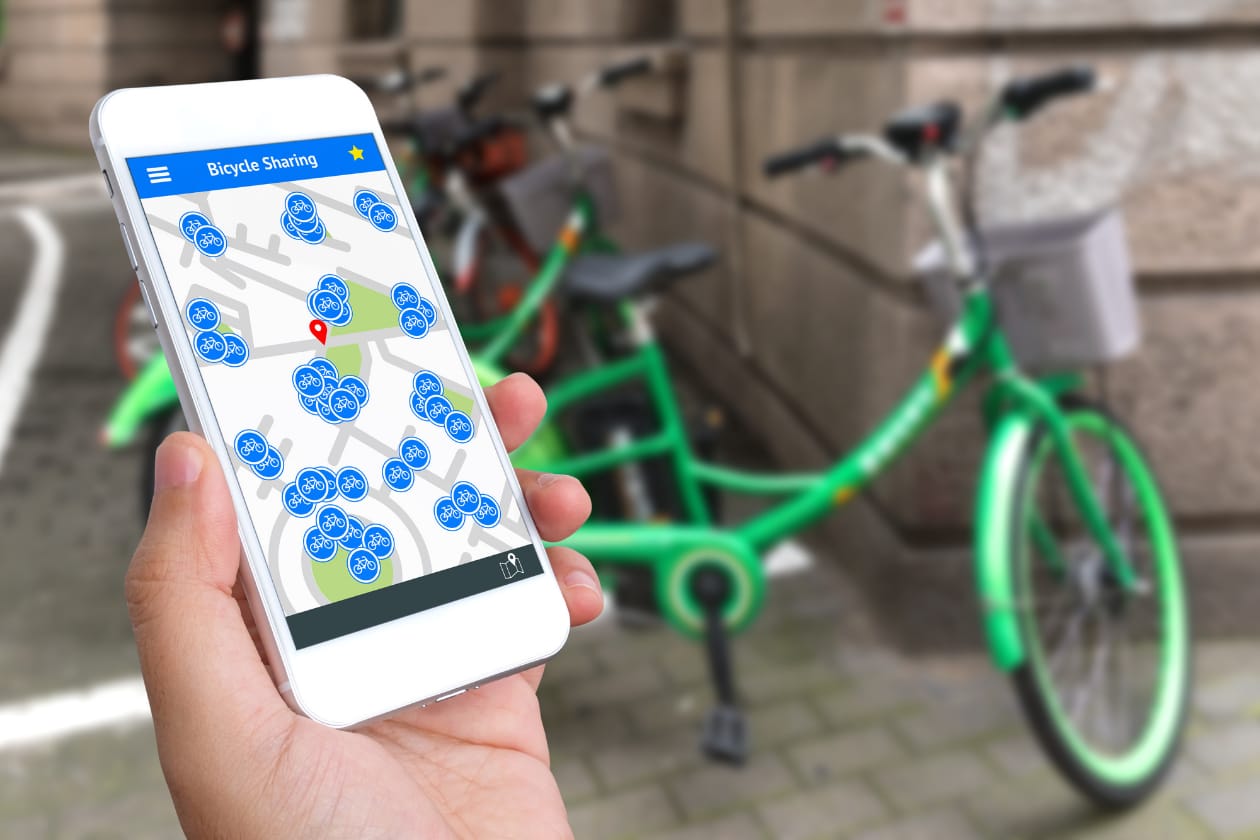 5つ目のエコな活動はシェアリングサービスを利用すること。
地球上の資源を最適化する観点で考えると、みながそれぞれ車などを所有するよりも、既に存在する車を分け合って、車の稼働率を上げた方、車の製造が必要なくなり、使う資源も減ります。 なので、持つ必要がないものに関しては、シェアリングのプラットフォームを積極的に利用することもエコな活動の1つです。
傘ならアイカサ、車ならAnycaなど様々なシェアリングプラットフォームがありますので、ぜひ利用してみてはいかがでしょうか? また、メルカリなどのフリマアプリに出品するのも、資源の再活用という観点で見ると立派なエコ活動です。
持ち歩くことで出来るエコな活動
次に持ち歩くことで、エコな活動に繋がるアクションを2つ紹介いたします。
- マイボトル・マイタンブラー・マイカトラリー
- エコバッグを持ち歩く
マイボトル・マイタンブラー・マイカトラリー
 6つ目のエコな活動は、マイボトルやマイタンブラー、マイカトラリーなどを持ち歩くことです。 マイボトルを持ち歩けば、給水することで、ペットボトルゴミを出さずに済みますし、マイタンブラーもプラスチックの容器や紙容器を捨てずに済むので非常にエコ。
また、mymizuというアプリを利用すれば、どこで給水できるのかを教えてくれるので、とても便利です。 マイカトラリーをもち歩くとなると、少し難易度が高いので、余裕がある方は試してみてもいいのではないでしょうか?
エコバッグを持ち歩く
7つ目のエコな活動はエコバックを持ち歩くこと。
レジ袋が有料化となった今、経済的にも負担になりますし、環境的にもあまりよくないものです。 自分お気に入りのエコバッグがあればそれだけで、気分も上がるでしょうし、1つは常に持ち歩くことをおすすめします。 ただ、エコバッグはどうしてもかさばってしまうので、小さくまとまるエコバッグをさがしてみてはいかがでしょうか。
消費におけるエコな活動
では、最後に消費をする際に出来るエコ活動を4つご紹介いたします。
- 服を買うときは古着で
- 長く使えるものを購入の判断基準に
- プラスチックフリーの製品を
- 量り売りやマルシェを利用する
- オーガニックのものを購入する
服を買うときは古着で
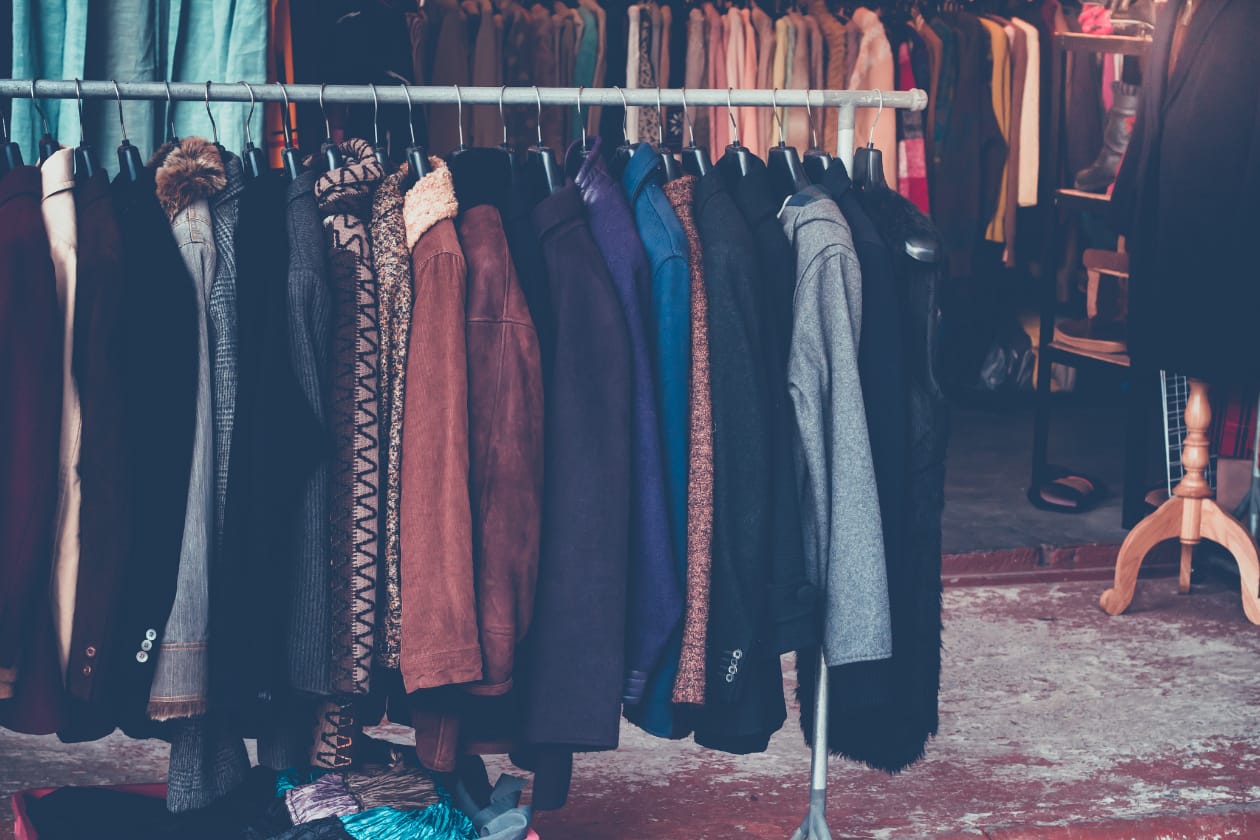 8つ目のエコな活動は服を買うときに、新品ではなく古着を買うこと。 古着を買うことは、新しく資源を使っていないので、立派なエコ活動だと言えますし、どれだけ環境に配慮されて新しく作られた服よりも環境的には優しいものです
言わずもがな古着はおしゃれな要素も大きいので、ぜひ古着を取り入れてみてはいかがでしょうか。 また、サステナブルにファッションを楽しむための方法に関してはこちらをご覧ください。
サスティナブルファッション|話題の持続可能なアパレルブランド7つをご紹介
長く使えるものを購入の判断基準に
9つ目のエコな活動は長く使えるものを購入すること。 先ほども述べたように、何かを新しく作る際には、水やエネルギーなどの資源が必要なので、環境的に一番いいのは今あることで賄うことです。
消費においても、長く使うということは新しく作られるものを求めないということですので、非常にエコだと言えます。 なので、何かを購入する際には、安いからだけではなく、「長く使えるのか?」を基準に持つことをおすすめします。 また、壊れてしまった場合は、修理が出来るブランドなのかというのもチェックしてると良いでしょう。
プラスチックフリーの製品を
 10番目のエコな活動は、プラスチックフリー、つまりプラスチックが使われていない製品を購入・利用することです。 プラスチックは、石油からできており、採掘の際と、廃棄の際に温室効果ガスが発生するので、使わない方がエコだと言えます。
また、最近ではプラスチックに含まれるBPAなどの成分が、健康にもよくないことがわかっているので、地球と自分の健康を考えても、選択肢がある場合は、積極的にプラスチックフリーのものを選びましょう。 プラスチックフリー生活の始め方はこちらの記事を参考にしていただければと思います。
プラスチックフリー生活の10のアイディアを紹介!小さなことから始めよう!
量り売りやマルシェを利用する
11番目のエコな活動は、量り売りやマルシェなどを利用して、ビニールなどの包みを避けることです。
先ほどのプラスチックの箇所でも説明しましたが、包装容器などは作るのと捨てる際に、温室効果ガスが発生します。 なので、包装を避ける意味でも、量り売りやマルシェを利用することをおすすめいたします。
量り売りは日本にはまだ少ないのですが、こちらのサイトで、量り売りのお店を探せるので、エコ活動として試して見てはいかがでしょうか?
オーガニックのものを購入する
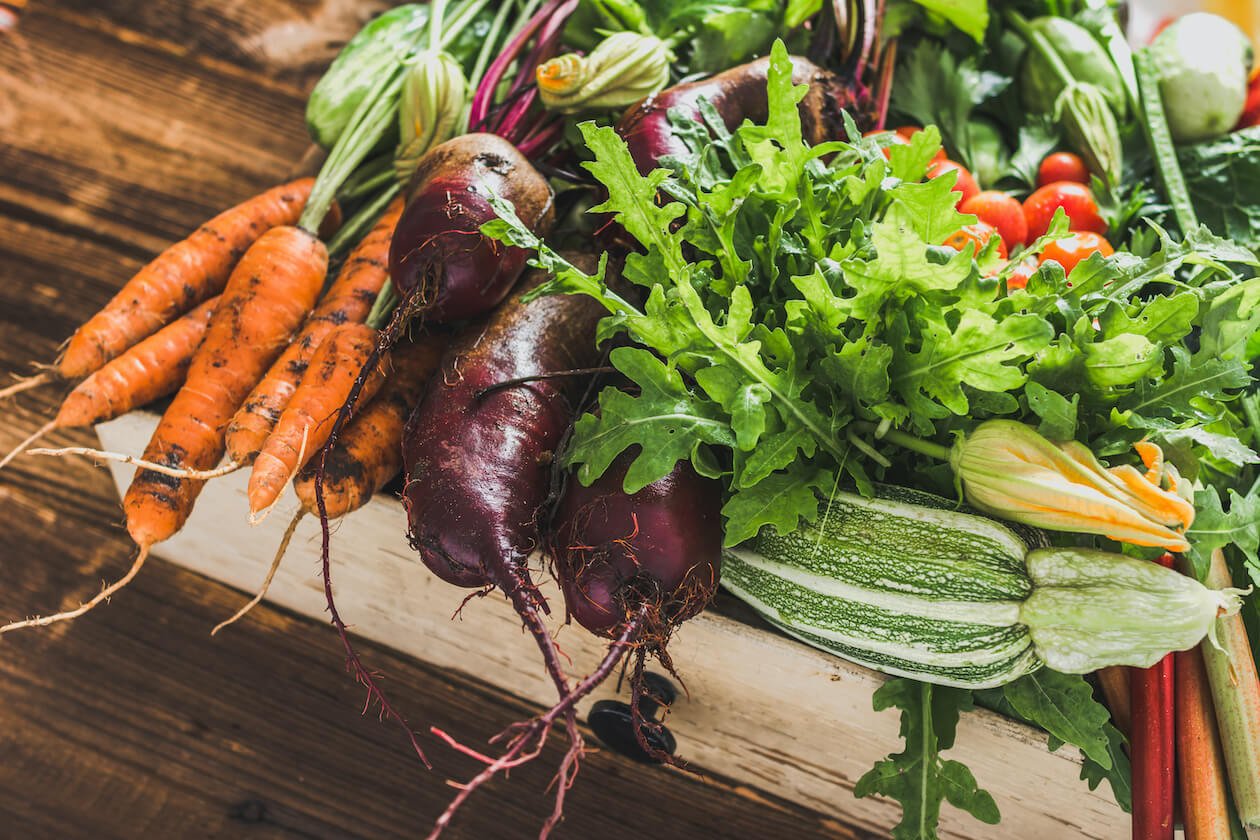 最後に12番目のエコな活動は、オーガニックのものを購入することです。
オーガニックであることは、健康に優しいのももちろんですが、土壌の健康にも優しいのが特徴。土壌が化学農薬などで汚れてしまうと、その農薬はいずれ川に流れ出し、さらには海に流れてと、地球全体に影響を及ぼします。
そのような連鎖を避ける意味でも、オーガニック食品や、オーガニックコットンでできた商品を購入することはエコ活動だと言えるでしょう。
最後に。あなたに出来るエコな活動から始めよう
当記事では、12のエコな活動を紹介してきましたが、いかがでしたでしょうか?
今まで知らなかったけど、実はエコに繋がっていた項目もあったかと思います。 ここで強調したいのは、全てを変える必要はなく、あくまで出来ることから1つずつ取り入れていくということです
無理をしても続きませんので、出来る範囲から行動を変えていって、より地球に優しい生活に変えていきましょう。 明日から実践したいエコな活動は見つかりましたでしょうか?
また、日本では政府がエコな活動に対してポイントを付与するグリーンライフポイント制度が開始されています。 この記事が役に立った、面白いと思われたら、ぜひシェアもして頂ければと思います。
それでは、最後まで読んでいただき、誠にありがとうございました。

【免責事項】
※本記事に掲載の情報は、公的機関の情報に基づき可能な限り正確な情報を掲載しておりますが、情報の更新等により最新情報と異なる場合があります。※本記事はエシカルな情報提供を目的としており、本記事内で紹介されている商品・サービス等の契約締結における代理や媒介、斡旋をするものではありません。また、商品・サービス等の成果を保証するものでもございません






Private: Understanding Eco friendly through Greenwashing
公開日:2020年9月16日 / 最終更新日:2023年10月10日
Nowadays the word eco friendly is everywhere, on products, flyers, websites, everywhere. There seem to be so many eco-friendly things and products that it is overwhelming. The true meaning of eco friendly seems to be diluted. It can be hard to understand or know what is the true meaning of eco friendly or be confused by it. In addition, with the current market, there can be chances of the product being misleading or greenwashing. So today, we are going to take a deep dive on the true meaning of eco friendly, and whether or not the product or service is really eco friendly or greenwashing. In the end, I got some basic beginner tips and tricks on eco friendly.
Eco Friendly’s True Meaning

According to the Merriam-Webster Dictionary, eco friendly means “not environmentally harmful”(Eco-friendly). This prevention of environmental harm is applicable not only to individuals, but it is applied to corporations, services. However, overall dictionary meaning can be really broad, what is considered to be environmentally harmful, how should we define what is considered harmful, and so on. Ideally, there should be a set of laws that define what is considered environmentally harmful, and companies, corporations that want to market as eco friendly should be regulated. However, the term eco friendly has been overused and can be quite ambiguous, such as causing confusion and misleads the consumers. Luckily there are some international certification bodies that can help and resolve the issues with the ambiguity and so on. In summary, the meaning of eco friendly is the prevention of action or product that can cause harm to the environment.
Eco Friendly or Greenwashed?
Before we dive into this section about how to know if the product/brand is truly eco friendly or just greenwashing. Allow me to first define what is greenwashing.
So you must be wondering how you can tell if it is eco friendly or greenwashing. Here are just a few tips, but to be able to truly identify greenwashing, you’ll have to do some more research.
First, look at how much marketing and PR there is on the brand’s image, specifically, their eco friendly image or that green image they want you to see, and then compare to how much is actually done. Is the brand actually donating to charities or organizations that are making a difference? A lot of the times more is said than done.
Second, always do your research. A quick google search and you can easily find out information if the company is truly doing what they are marketing. See what other people have commented on. Like buying any products it is good to give it a search that way you can check to see if the product is actually good and eco friendly.
Next, is there proof? Many brands would make claims of being eco friendly or green without actual proof or science to back it up.
Next, be careful of some terms as they are ambiguous and don’t necessarily mean that the process of making the product did not harm the environment. Such terms include “all natural” (unless it is a non-GMO fruit without packaging, most products are derived or made into something synthetic), “biodegradable” (unless you are personally going to compost that after using, ending up in the landfill will not compost it) and so on.
Last but not least understand the complexity of being eco friendly and understand what is greenwashing. The more you know the easier it is to identify it.
How to be more eco friendly
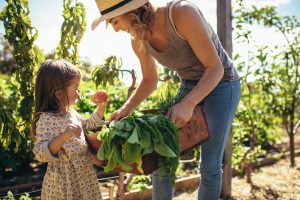
With all that being said, I am sure you are still interested in becoming more eco friendly. After all, everyone wants to do something for the environment and future generations’ rights. So here are a few tips and tricks on becoming eco friendly.
Tips and Tricks
Do your research!! > It is important that you understand what needs to be done to be eco friendly. What are the issues and how are people coming up with ways to solve such issues?
Shop Ethically > Buy products that you have done research on and know that that is it doing more than it claims. Or buy products that have been checked and verified by third parties. Such as Fair Trade Certified, B-CORP, FSC, and so on.
Reduce and Refuse > Only buy products that you absolutely need. Reduce the number of products that you are buying or just stop buying products that are not eco friendly, like PET bottle water, plastic straws, and so on. Unfortunately, consumerism does not work well in eco friendly ideals because you want to reduce the production of trash, pollution, and carbon footprint that it takes to make products. The more you buy, the more trash and pollution it takes to make and more trash once you are done using that product too.
Reuse, Repair, and Repurpose > Very similar to the idea of zero waste, you want to use products for as long as possible. Counteract the amount of energy and trash it took to make that product by using it longer and with multiple purposes so you don’t need to buy new.
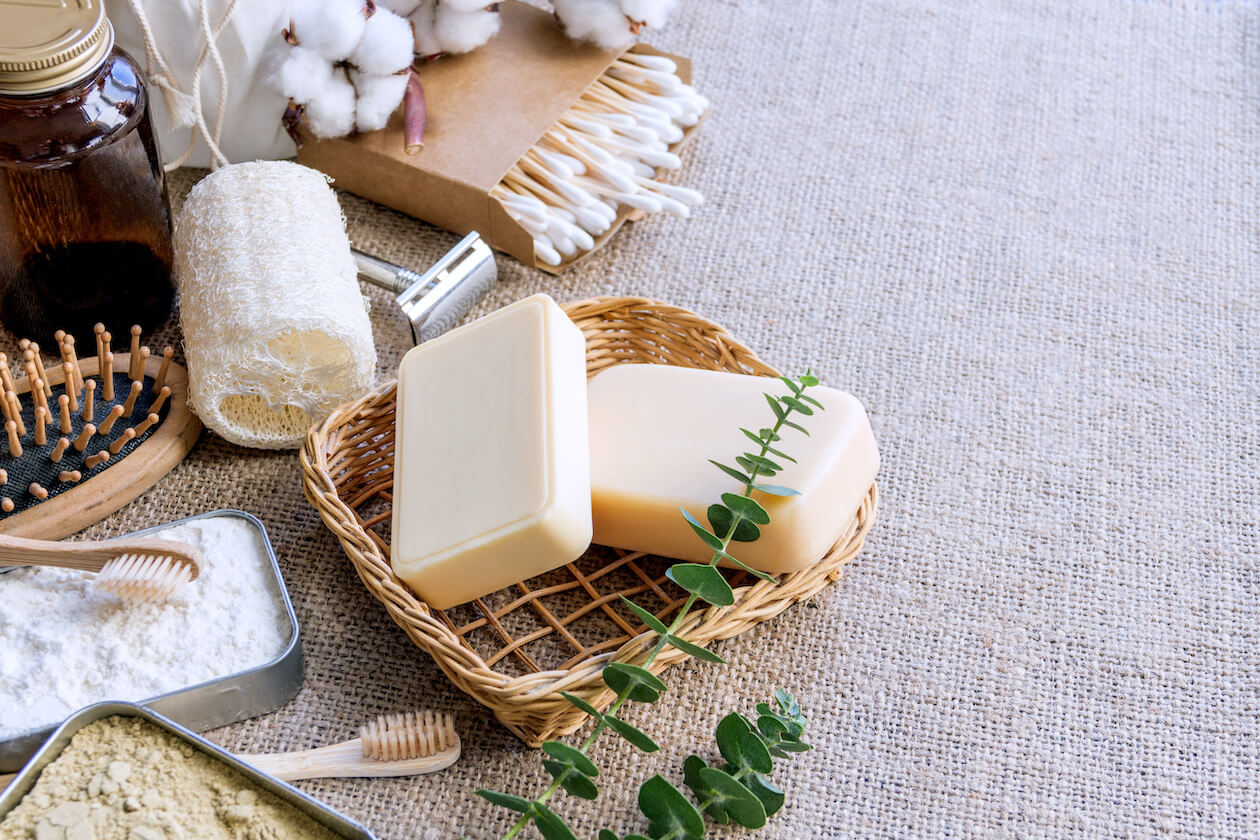
DIY > if you can cook or make something yourself (toothpaste, deodorant…)! Not only is that a great way to reduce waste and make products out of natural items that are eco friendly, but you are also saving money!
Let’s do it together!
These are just some of the tips and tricks there are for you to become eco friendly. Being eco friendly might sound like a lot and a hassle, but it is definitely easier than one would expect. Anyone can do it and remember you are not the only one, there are many people who have shared their journey online. You can easily learn from them and share your story to inspire others to become eco friendly. Also, becoming eco friendly is an ever-evolving task. In the future, there will be more eco friendly services and options for all of us.
I hope you have a better understanding of eco friendly and greenwashing and have a few tricks up your sleeve, it is time to get ready for your eco friendly journey.
“Eco-Friendly.” Merriam-Webster, Merriam-Webster, www.merriam-webster.com/dictionary/eco-friendly.
Acaroglu, Leyla. “What Is Greenwashing? How to Spot It and Stop It.” Medium, Disruptive Design, 8 July 2019, medium.com/disruptive-design/what-is-greenwashing-how-to-spot-it-and-stop-it-c44f3d130d5.
【免責事項】
※本記事に掲載の情報は、公的機関の情報に基づき可能な限り正確な情報を掲載しておりますが、情報の更新等により最新情報と異なる場合があります。※本記事はエシカルな情報提供を目的としており、本記事内で紹介されている商品・サービス等の契約締結における代理や媒介、斡旋をするものではありません。また、商品・サービス等の成果を保証するものでもございません